If you’ve spent any time online trying to grow a business, chances are you’ve come across the term SEO more times than you can count. It gets thrown around in marketing meetings, blog posts, and casual conversations, often without anyone stopping to explain what it actually means. For a complete beginner, that can be frustrating. You know SEO is important, you know it has something to do with Google, but the actual mechanics feel like a black box. This guide breaks it down in plain language, so you walk away understanding not just what SEO is, but why it matters and how to start thinking about it for your own website or business.
What Does SEO Actually Mean?
SEO stands for Search Engine Optimization. In the simplest terms, it’s the practice of improving your website so that it appears higher in search engine results, particularly on Google, when someone searches for something related to your business. Think about the last time you searched for a restaurant, a product, or an answer to a question. You probably clicked on one of the first few results and rarely scrolled past the first page. SEO is the set of strategies and techniques that help a website earn that coveted top spot, rather than being buried on page five where almost no one ever looks.
It’s important to understand that SEO isn’t a single action you take once and forget about. It’s an ongoing process that involves many moving parts working together, including the words on your page, the structure of your website, how fast it loads, and how many other trustworthy sites link back to you. Search engines are constantly evaluating and re-evaluating websites, so an SEO strategy needs consistent attention to keep working.
Why Does SEO Matter for a Business?
Unlike paid advertising, where your visibility disappears the moment you stop paying, good SEO keeps working for you in the background, day after day, without a recurring cost per click. A well-optimised page can continue attracting visitors for months or even years after it was published. This makes SEO one of the most cost-effective long-term marketing strategies available, especially for small businesses that can’t compete with larger competitors on advertising budgets alone.
Beyond cost, SEO also builds a kind of credibility that advertising can’t buy. Most people trust organic search results more than they trust ads, simply because those results feel earned rather than paid for. Ranking well signals to potential customers that your business is relevant, established, and worth their attention.
The Three Main Pillars of SEO
To understand SEO properly, it helps to break it into three broad categories.
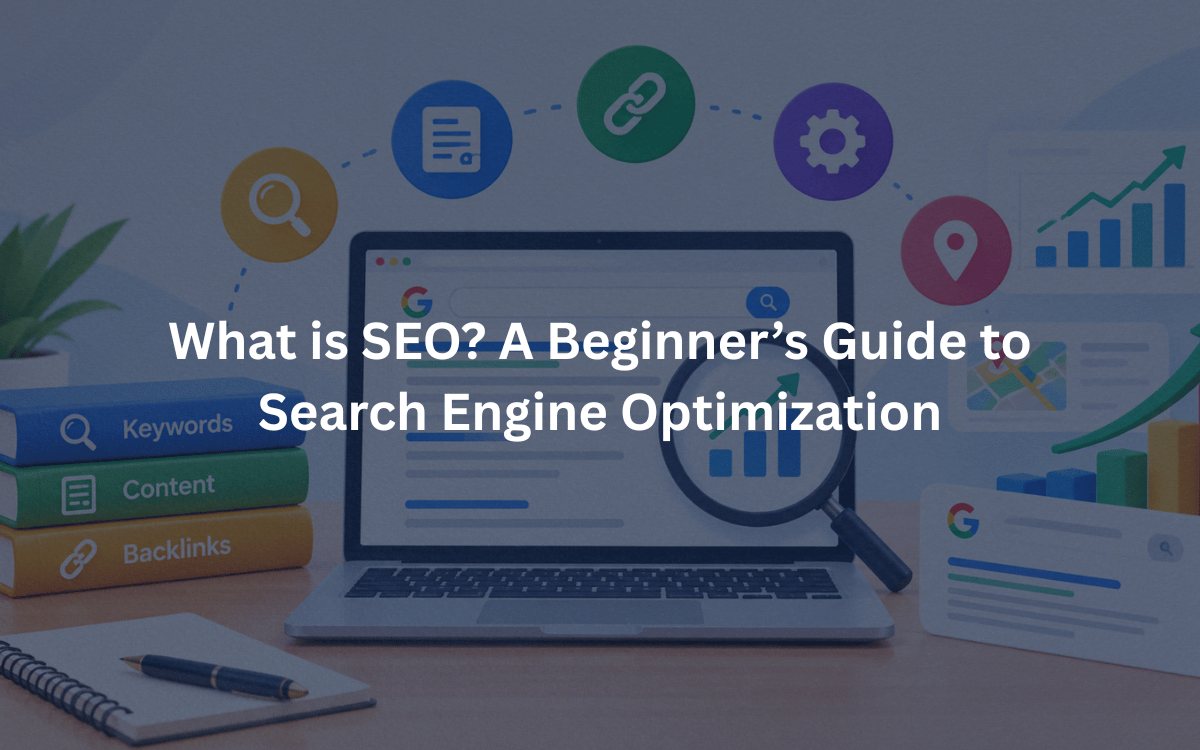
On-page SEO refers to everything you can control directly on your website. This includes writing clear, valuable content that answers what people are actually searching for, using relevant keywords naturally within your text, optimising your page titles and headings, and making sure your images have descriptive alt text. Good on-page SEO is really about making your content genuinely useful, both to your readers and to the search engines trying to understand what your page is about.
Off-page SEO is everything that happens outside your website but still influences your ranking. The biggest factor here is backlinks, which are links from other websites pointing to yours. When a reputable site links to your content, it acts like a vote of confidence, telling search engines that your page is trustworthy and worth showing to more people. Building these relationships takes time, but they remain one of the strongest ranking signals available.
Technical SEO covers the behind-the-scenes elements that affect how easily search engines can crawl and index your site. This includes site speed, mobile-friendliness, secure connections, clean URL structures, and making sure there are no broken links or duplicate content confusing search engine crawlers. Even the best-written content can struggle to rank if the technical foundation of the website is weak.
Common Beginner Mistakes to Avoid
Many people just starting out with SEO fall into a few predictable traps. The most common one is keyword stuffing, or repeating the same keyword unnaturally throughout a page in an attempt to rank higher. Modern search engines are sophisticated enough to penalise this rather than reward it. Another frequent mistake is ignoring mobile users entirely, even though the majority of searches today happen on phones. Expecting instant results is another pitfall; SEO is a long game, and meaningful ranking improvements typically take weeks or months to show, not days.
Beginners also often overlook the importance of understanding search intent, meaning what a person actually wants when they type a query. Ranking for the right keyword means nothing if your page doesn’t genuinely answer the question the searcher had in mind.
Where to Start If You’re New to SEO
If all of this feels like a lot to absorb at once, that’s completely normal. SEO is a skill that builds gradually with practice. Start small by researching keywords relevant to your business, auditing your existing website content, and making sure your site loads quickly and works well on mobile devices. From there, focus on creating content that genuinely helps your audience, and be patient as your rankings begin to improve.
For those who want a more structured path into this field, a certificate in business development often includes foundational modules on digital visibility and search strategy, since understanding how customers discover businesses online has become essential to any growth-focused role. Similarly, if you’re looking to build practical, hands-on skills rather than piecing information together from scattered articles, enrolling in digital marketing classes in ahmedabad can give you guided, structured learning alongside real-world projects.
SEO can initially feel technical and overwhelming, but it becomes far more approachable once you break it into these core components and practice consistently. Many learners find that dedicated, instructor-led SEO classes in Ahmedabad help accelerate this learning curve significantly, since working through real websites and real ranking challenges under guidance tends to build confidence far faster than self-study alone.
Final Thoughts
SEO isn’t magic, and it isn’t a one-time fix you can check off a list. It’s a long-term investment in how discoverable your business is to the people already searching for what you offer. By understanding the basics covered here, on-page, off-page, and technical SEO, along with the common mistakes to avoid, you now have a solid foundation to start improving your own website’s visibility. Like any skill, it gets easier with consistent practice, and the businesses that commit to it early are the ones that reap the rewards for years to come.