From Scroll to Sale: The Real Power of social media in Modern Marketing

The current digital-first environment enables users to make purchasing decisions within seconds after they initiate a scroll. The platforms which started as tools for sharing personal updates and friend connections have developed into an effective marketing network which enables brands to create customer communities and persuade consumer choices while generating commercial success. Social media now functions as a business platform which generates revenue through customer loyalty while creating brand recognition and user interaction.
Success in today’s marketing world means how the customer interacts with a company’s online presence from their first time seeing a social media ad until they have established loyalty as a customer. Social media platforms are the tools that companies use to grow their brand with potential customers and build relationships that convert to customers who have given them money. For students pursuing a certificate in business development, understanding how to measure the path that potential customers take to become loyal customers (i.e., from engagement to revenue) is critical to driving sustainable business growth. In this article, we will explore how social media has evolved as a viable option for businesses to reach their Maximum Potential with Customers on social media.
Evolution of Social Media Marketing
A Brief History of Social Media Platform
The early 2000s introduced platforms like Facebook and LinkedIn which were designed to connect people online. The platforms allowed businesses to showcase their products through organic posts and basic banner advertisements which served as their main advertising method.
Instagram introduced visual storytelling to the public when it launched. YouTube developed into a platform which enabled users to view extended video content following its release while TikTok created a new market for brief videos which followed current popular trends.
The advertising platforms introduced businesses to advanced advertising tools which included business pages and analytics dashboards and e-commerce systems. The original communication tools developed into complete marketing platforms.
The Shift in Digital Marketing
The three main advertising channels for traditional marketing included television and print media and radio. The initial digital marketing approach concentrated on search engine optimization and email marketing activities. The rising popularity of social media platforms caused marketers to focus their strategies on creating content that would generate client interactions.
The introduction of targeted advertising together with influencer marketing and retargeting pixels and AI-driven recommendations transformed social media platforms into the most accurate marketing system which businesses can use. Brands could now reach specific audiences based on demographics, interests, behavior, and even purchase intent.
Social Media as a Marketing Powerhouse
Why Social Media Matters More Than Ever
Social platforms currently have billions of active users who participate every day. Consumers discover products, read reviews, watch tutorials, and interact directly with brands within a single app.
Social media offers:
- The ability to reach international audiences while specifically targeting local markets
- The ability to interact with users during live events
- Businesses can advertise their products at low costs
- The advertising performance can be tracked through various measurable indicators
- The organization builds its brand identity through active community participation.
Social media platforms enable users to interact with each other, which differs from traditional advertising methods. Brands use listening methods to monitor customer feedback, and they create quick responses which match customer requirements.
Usage, Engagement & Conversion Trends
- Social media platforms take up more than two hours of daily time which users spend on their content.
- People engage more with short-form videos than they do with static posts.
- The social commerce features in the app let users’ complete purchases without exciting the application.
- People make their purchasing decisions based on what influencers recommend to them.
Social media platforms serve as the starting point for modern buyers who initiate their shopping process through product reels or influencer posts or targeted advertisements.
Platform-Specific Strengths and Roles
Social platforms establish distinct functions that guide customers through their purchasing process.
Instagram – Visual Storytelling & Lifestyle Branding
Instagram relies entirely on visual content. Through Reels, Stories, and carousel posts brands can present their products through innovative methods. The platform demonstrates exceptional performance for fashion and beauty and fitness and travel brands.
Example:
Nike creates emotional connections with its audience through storytelling and athlete partnerships which transform followers into brand ambassadors.
LinkedIn – B2B Authority & Thought Leadership
LinkedIn serves as the primary platform for B2B marketing activities. Businesses use the platform for three main purposes: lead generation and employer branding and professional networking.
Example:
HubSpot shares educational content and industry insights which helps establish its authority while generating qualified leads.
TikTok – Trend-Driven Virality
TikTok serves as the leading platform for creating short video content. The algorithm of TikTok enables users to discover content which helps small businesses achieve viral success.
Example:
Duolingo built a massive following through humorous, trend-based videos featuring its mascot, driving app downloads and brand awareness.
YouTube – Long-Form Education & Product Demonstration
YouTube excels at providing tutorials and product reviews and storytelling content.
Example:
Apple uses YouTube to showcase product features, launch events, and tutorials that influence purchase decisions.
Facebook – Community & Targeted Ads
Facebook serves as an effective platform for community development and advanced advertising targeting. Brands use groups and retargeting campaigns to develop relationships with potential customers throughout the course of time.
The Conversion Journey from Scroll to Sale
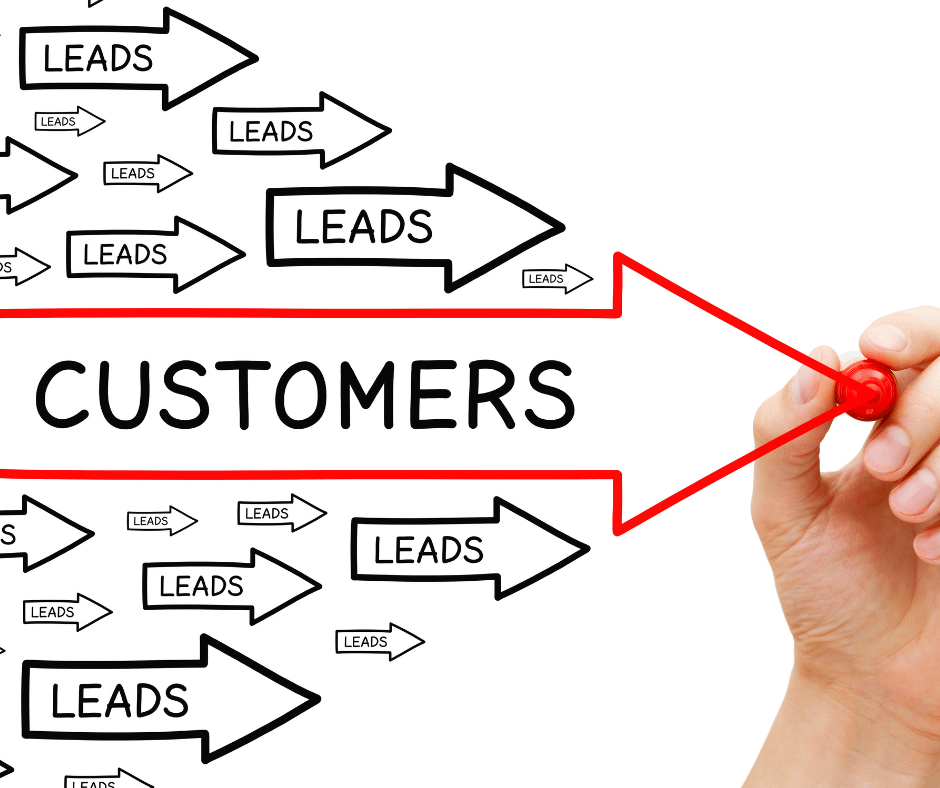
The journey from casual scrolling to purchase typically follows four stages:
1. Awareness
A user discovers a brand through a reel, ad, or influencer mentions.
2. Engagement
The users establish contact with the content by liking and commenting and sharing and visiting the profile. The process of engagement helps people become more familiar with the content.
3. Consideration
The user investigates product reviews and testimonials and product demonstrations. The ads for retargeting purposes show them advertising content about the brand.
4. Conversion
The customer makes a purchase after receiving an enticing offer together with a time-limited discount and a smooth purchasing process.
Role of Content Strategy
A strong content strategy aligns posts with each stage of the funnel:
- Educational posts for awareness
- Interactive polls and Q&A sessions for engagement
- Testimonials and case studies for consideration
- Clear CTAs for conversion
- Community Building
Communities create bonds of loyalty. Brands establish enduring customer relationships by answering comments and sharing user-generated content and establishing special community groups.
Paid Ads & Analytics
Social media ads extend their promotional reach to new audiences. Businesses can use detailed targeting capabilities to retarget website visitors and connect with users who have interacted with their brand and monitor conversions using tracking pixels and analytics tools.
Marketers use CTR and engagement rate and conversion rate and ROAS metrics to enhance their advertising campaigns through ongoing improvements.
Tools, Trends & Best Practices
Emerging Formats
- Reels & Short Videos – High engagement and shareability
- Live Sessions – Real-time product launches and Q&A
- Stories – Temporary, behind-the-scenes engagement
- Shoppable Posts – Direct in-app purchases
People now prefer short-form content, which requires businesses to use video marketing as their main advertising strategy.
Best Posting Strategies
- The organization needs to maintain its branding elements and vocal identity through sustained branding practices.
- The optimal time to post content for your audience occurs during their most active periods.
- Storytelling serves as the primary method to present the content instead of using direct sales techniques.
- Brands should use content that their customers create to promote their products.
- The brands should work with social media stars to promote their products and services.
Paid Marketing Tips
- The advertising process should begin with testing through minimal budget expenditures which function as a pilot program.
- The testing process requires A/B testing which involves different creative designs and caption materials.
- The process requires businesses to target customers who have already shown interest through engagement activities.
- The system needs to function as a conversion tool which generates actual sales instead of mere online visits.
Challenges & How to Overcome Them
Algorithm Changes
The social platforms use automatic algorithm changes to determine which content receives organic reach.
The solution requires organizations to produce content which maintains high quality while delivering engaging material across various distribution platforms.
Content Fatigue
People see more than a thousand social media posts every day.
Solution: The company should focus on their creative work and authentic storytelling skills while avoiding traditional sales methods.
Rising Competition
More brands are investing in social marketing.
The solution requires brands to find specific customer segments while developing distinct value propositions which they will market through data analysis.
The Future of Social Media Marketing

The future of brand-audience interactions will transform using AI technology AR filters and chatbots which work with predictive analytics. The social commerce industry will experience major growth as platforms add frictionless shopping capabilities.
Personalized experiences are key for achieving success; brands that develop behavioral content will have a greater market advantage over competitors. Therefore, businesses want to optimize and boost their eCommerce search engine optimization (SEO) by integrating personalization and data-driven optimization strategies, so that they are creating content, offering product pages and satisfying user intent for increased visibility and conversions.
Conclusion
Social media gives businesses unique opportunities to establish a relationship with their target market that leads to future sales. A customer who begins scrolling through social media networks is likely to become loyal to a business and make a purchase as the result of those social media connections. Understanding how social media will help increase a company’s search visibility and establish brand authority is critical for students and professionals who are pursuing an SEO course in Ahmedabad to be successful long-term on the internet. The need for an online presence is becoming a requirement for marketers today by demonstrating how much a company cares about its consumers through strategic initiatives.
Now is the time to reconsider your social strategy. Check your platforms, improve your content approach, use analytics, and focus on providing real value. In today’s digital world, every scroll can lead to a sale if you know how to convert it.
Related Posts

7 SEO Trends for 2026: Growing Your Business with AI-Powered Search
By 2026, SEO no longer focuses exclusively on where your website appears in search results but instead emphasizes how visible
