On-page SEO is the foundation of how search engines understand, evaluate, and rank your content. While backlinks and domain authority play a major role, on-page SEO is what gives meaning and structure to every individual page. Without it, even high-authority blogs struggle to maintain consistent rankings in competitive search results.
For authority blogs, especially those publishing digital marketing material, business development courses online, educational resources, and long-form guides, on-page SEO ensures that content is not only discoverable but also engaging. Search engines rely on on-page signals to interpret topic relevance, while users rely on clarity, structure, and readability to stay on the page.
Proper on-page SEO creates a balance between search engine comprehension and user experience, helping authority blogs sustain rankings, increase dwell time, and build long-term topical trust.
What On-Page SEO Really Is
On-page SEO refers to all optimization efforts applied directly within a webpage to improve its visibility in search engines and its usability for readers.
In The Next Era of Marketing Education, understanding SEO fundamentals is essential. Unlike off-page SEO, which focuses on external signals such as backlinks, on-page SEO deals with internal elements that search engines can directly analyze, making it a core skill for modern marketers and content creators.
Key components of on-page SEO include:
- Content relevance and topical depth
- Page structure and HTML hierarchy
- Keyword placement and semantic relevance
- User experience factors such as readability, flow, and engagement
Modern on-page SEO is not about manipulating algorithms. Instead, it focuses on clear communication helping search engines understand what the page is about and helping users easily consume the content.
At its core, on-page SEO prioritizes:
- Structure – logical organization of content
- Relevance – alignment with search intent
- Clarity – clear messaging without ambiguity
- User experience – ease of reading and navigation
Focus on Page Purpose: One Page, One Clear Intent
Every successful blog page has a single, well-defined purpose. Authority blogs often fail when they attempt to rank one page for multiple unrelated keywords or topics.
Search engines evaluate pages based on how effectively they satisfy a specific search intent. When content tries to cover too many directions, it dilutes relevance and weakens ranking potential.
Why Page Focus Matters
- Improves topical relevance
- Reduces user confusion
- Strengthens keyword alignment
- Enhance engagement and dwell time
For example, a blog post targeting “on-page SEO checklist” should focus on practical optimization steps, not technical SEO audits or link-building strategies. Clear intent leads to stronger rankings and better user satisfaction.
Essential On-Page SEO Checklist (Step-by-Step)
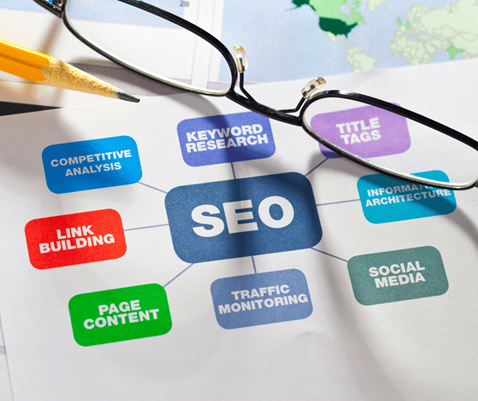
This checklist forms the core of effective on-page optimization for authority blogs.
1. URL Optimization
URLs are among the first elements search engines analyze. A clean, readable URL improves both SEO and user trust.
Best practices for URL optimization:
- Keep URLs short and descriptive
- Include the primary keyword naturally
- Avoid unnecessary parameters, numbers, or filler words
- Ensure the URL reflects the page topic clearly
2. Heading Structure (H1–H6)
Headings create a logical content hierarchy that helps readers scan and search engines interpret page structure.
Heading best practices:
- Use only one H1 for the main topic
- Break major sections into H2 headings
- Use H3 and H4 for supporting points
- Maintain a logical order without skipping levels
Well-structured headings improve accessibility, user engagement, and semantic understanding.
3. Content Strategy: Depth, Value, and Usefulness
For authority blogs, content quality is non-negotiable. Search engines now evaluate depth, completeness, and usefulness, not just word count.
Effective content should:
- Answer the primary question fully
- Address related subtopics naturally
- Provide actionable insights
- Feel informative rather than promotional
Avoid keyword stuffing or repetitive filler. Instead, aim for content that feels earned, comprehensive, and genuinely helpful. High-authority blogs grow by publishing content that users trust and return to.
4. Keyword Placement & Relevance
Keyword optimization remains essential, but it must be natural and context driven.
Place primary and related keywords in:
- Page title (H1)
- Introduction (first 100–150 words)
- Relevant subheadings
- Body content where context fits
- Conclusion
In addition to primary keywords, use:
- Semantic keywords
- Related phrases
- Topic clusters
Modern SEO strategies emphasize content relevance modeling, a principle long advocated by expert SEO frameworks such as those promoted by Bruce Clay, Inc. The goal is to make the topic unmistakably clear without forcing keywords unnaturally.
5. Meta Tags: Title & Description
Meta tags shape how your content appears in search results and directly impact click-through rates (CTR).
Meta Title Best Practices
- 50–60 characters
- Include the primary keyword
- Communicate clear value
Meta Description Best Practices
- Up to 155–160 characters
- Summarize page benefits clearly
- Encourage clicks without clickbait
While meta descriptions do not directly influence rankings, they strongly influence traffic quality and engagement.
6. Internal Linking Strategy
Internal links help search engines understand content relationships and distribute authority across your site.
Best practices for internal linking:
- Link to relevant content contextually
- Use descriptive, meaningful anchor text
- Support cornerstone and pillar content
- Avoid excessive or irrelevant links
For large digital marketing blogs, internal linking strengthens topical authority, improves crawl depth, and keeps users engaged longer.
7. Readability & Content Flow
User engagement signals are closely tied to how readable and accessible your content is.
Improve readability by:
- Keeping paragraphs short
- Using simple, conversational language
- Breaking content with bullet points
- Maintaining logical progression
Readable content increases dwell time, reduces bounce rates, and improves overall satisfaction signals search engines increasingly value.
Optional On-Page Enhancements for Stronger Performance
Beyond core optimization, these enhancements can significantly improve SEO performance.
Image Optimization
- Use descriptive filenames
- Add relevant text
- Compress images for faster loading
Mobile-Friendly Design
- Responsive layouts across devices
- Easy navigation on smaller screens
- Essential for modern SEO performance
Page Speed Improvements
- Faster load times enhance UX
- Reduce abandonment rates
- Improve ranking potential
Structured Data (Schema Markup)
- Helps search engines understand content context
- Enables rich results in SERPs
- Enhances visibility and credibility
These enhancements collectively improve technical clarity and user experience.
Conclusion
On-page SEO has become more critical than ever for authority blogs operating in highly competitive search environments, including those focused on digital marketing classes in Ahmedabad. While strong backlinks and domain authority provide an advantage, it is on-page optimization that determines how clearly search engines understand your content and how effectively users engage with it. A well-structured page with focused intent, relevant keywords, clear headings, and high-quality content creates a seamless experience that satisfies both algorithms and readers. By regularly auditing and refining on-page elements such as content relevance, internal linking, readability, and performance, authority blogs can maintain rankings, adapt to evolving search algorithms, and continue building long-term trust and visibility in search results.