Marketing education has always evolved alongside technology. From print advertising and television to search engines and social media, each shift has forced marketers to learn new skills. However, the current transformation is fundamentally different. Artificial Intelligence (AI) is not just adding new tools to marketing; it is changing how marketing itself is learned reshaping modern curricula, skill-based training, and even professional pathways such as a certificate in business development that now increasingly integrates AI-driven marketing, analytics, and strategic growth skills.
Traditional marketing education relied heavily on theory, textbooks, fixed syllabi, and delayed feedback. Students often learned concepts years after the industry had already moved forward. In contrast, today’s marketing landscape is real-time, data-driven, automated, and deeply influenced by Digital Marketing Analytics and AI-powered platforms.
This gap between traditional education and industry has created a clear need for a new learning model. That model is AI-driven learning an approach that focuses on personalization, practical application, and continuous skill development.
For students aspiring to build careers in digital marketing, branding, analytics, or performance advertising, AI-driven learning represents the next era of marketing education.
What Is AI-Driven Learning in Marketing Education?
AI-driven learning refers to the use of artificial intelligence technologies to personalize, optimize, and enhance the learning experience. Instead of following a one-size-fits-all curriculum, AI adapts learning content based on a student’s progress, strengths, weaknesses, and career goals.
In marketing education, this means:
- Learning tools that adapt to individual skill levels
- Real-time feedback on campaigns, content, and strategies
- Smart systems that recommend what to learn next
- Practice environments that simulate real-world marketing scenarios
Inspired by how AI is already transforming social media marketing, modern education platforms now use similar intelligence to guide students through hands-on, outcome-based learning paths rather than static lesson plans.
AI-driven learning shifts the focus from memorization to application, experimentation, and mastery exactly what the marketing industry demands today.
Why AI Is Rewriting the Rules of Marketing Education
The Industry Has Changed Faster Than Education
Marketing in 2026 and beyond will be shaped by:
- AI-generated content and creatives
- Predictive analytics and automation
- Personalized customer journeys
- Performance-driven decision-making
Employers are no longer impressed by certificates alone. They expect candidates to understand how AI tools work, how to interpret data, and how to optimize campaigns using intelligent systems.
Traditional marketing education struggles to keep up because it is often:
- Syllabus-bound
- Exam-oriented
- Slow to update
- Detached from live platforms
AI-powered learning models solve this problem by aligning education with current industry workflows.
Traditional vs AI-Powered Marketing Education
Traditional Education | AI-Driven Learning |
Fixed curriculum | Adaptive learning paths |
Theory-focused | Skill and outcome-focused |
Delayed feedback | Instant feedback |
Limited practice | Simulated real-world experience |
Same pace for all | Personalized learning speed |
This shift explains why AI is not just improving marketing education, it is rewriting its rules.
Core AI Tools Shaping Modern Marketing Education
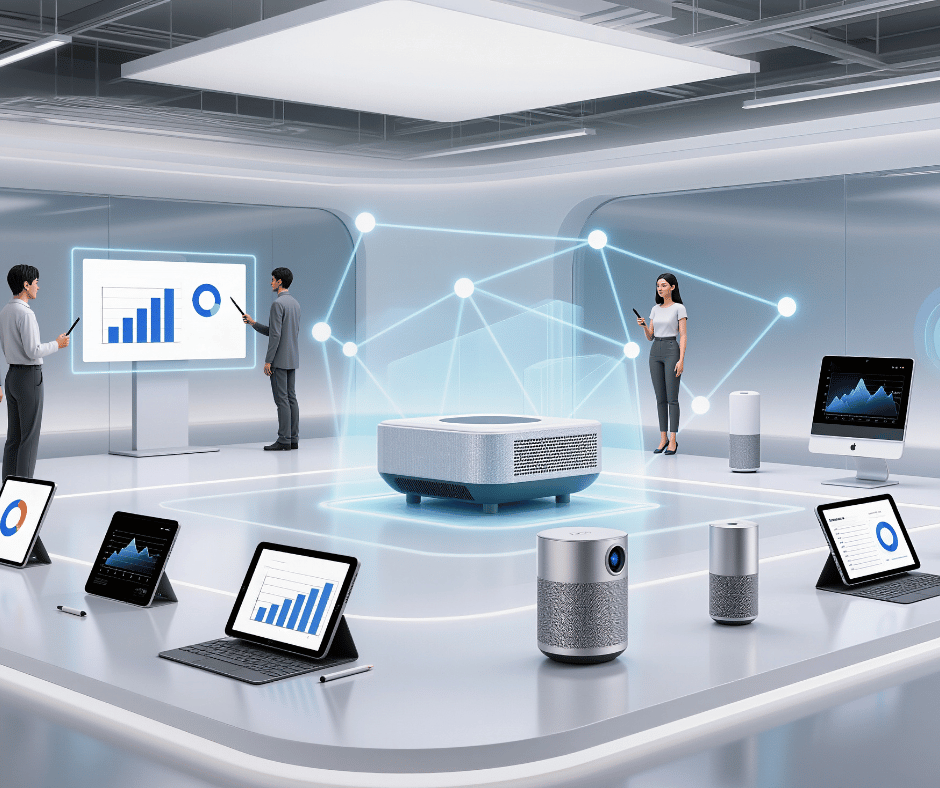
AI-driven marketing education is closely tied to the tools students use while learning. These tools are not optional add-ons; they are becoming core learning companions.
ChatGPT and AI Assistants
AI assistants like ChatGPT act as:
- On-demand tutors explaining marketing concepts
- Brainstorming partners for content and campaign ideas
- Strategy helpers for SEO, social media, and paid ads
- Feedback tools for improving messaging and positioning
Instead of passively reading about marketing frameworks, students actively interact with AI to think strategically and creatively.
Canva AI and Visual Content Tools
Design used to be a specialized skill. Canva AI has changed that.
Students can know:
- Create professional creatives without design backgrounds
- Experiment with brand visuals quickly
- Understand visual storytelling and consistency
- Learn faster through iteration
This removes technical barriers and allows students to focus on marketing strategy rather than software complexity.
Jasper AI and Copywriting Intelligence
AI-powered copywriting tools help students understand:
- Audience psychology
- Tone adaptation across platforms
- Conversion-focused messaging
- Campaign-level thinking
Instead of writing blindly, students learn why certain words perform better, accelerating their learning curve.
AI-Powered Analytics Tools (Google AI, Meta AI, Predictive Systems)
Analytics is no longer just about reports. AI-driven analytics teach students to:
- Identify patterns in user behavior
- Predict campaign performance
- Optimize budgets intelligently
- Understand the “why” behind metrics
This transforms analytics from a confusing subject into a decision-making skill.
How AI Makes Marketing Education More Practical
One of the biggest limitations of traditional education is the lack of real-world practice. AI-driven learning solves this through simulation-based education.
AI-Simulated Marketing Labs
Students can know:
- Run virtual ad campaigns
- Test different strategies without financial risk
- Optimize content based on performance signals
- Receive real-time improvement suggestions
These labs mirror actual marketing environments, allowing students to learn by doing, not just observing.
Personalized and Adaptive Learning Experiences
Every student learns differently. AI recognizes this reality.
Custom Learning Paths
AI systems track:
- Learning speed
- Performance accuracy
- Topic comprehension
- Skill gaps
Based on this, students receive personalized content recommendations, ensuring no one is left behind or held back.
Immediate Feedback and Mastery
Instead of waiting for exams or evaluations, students receive:
- Instant feedback
- Improvement suggestions
- Skill-level assessments
This creates a continuous learning loop that accelerates mastery.
Benefits of AI-Driven Learning for Marketing Students
AI-powered education delivers measurable advantages:
- Faster skill acquisition through guided practice
- Real industry exposure before internships
- Higher creativity and productivity using AI tools
- Improved confidence with modern platforms
- Better job and freelance opportunities
Students are no longer just learners they become practitioners before entering the workforce.
Challenges and Ethical Considerations
While AI-driven learning offers immense benefits, it also raises important considerations.
Over-Dependency on AI
Students must learn to:
- Think critically
- Validate AI outputs
- Develop strategic judgment
AI should assist learning, not replace thinking.
Importance of Human Mentorship
Great marketing still requires:
- Emotional intelligence
- Ethical decision-making
- Creativity and storytelling
Human educators remain essential for guidance, context, and mentorship.
Ethics, Bias, and Authenticity
AI systems can reflect biases in data. Students must be taught:
- Responsible AI usage
- Content originality
- Ethical marketing practices
Balanced education ensures AI enhances integrity rather than undermining it.
Real-World Adoption of AI in Marketing Education
Institutions integrating AI into their curriculum are already seeing results:
- Students adapt faster during internships
- Campaign understanding improves significantly
- Confidence with tools increases placement success
AI-integrated education models bridge the gap between learning and employment, making education outcome-driven rather than certificate-driven.
The Future of Marketing Education: 2030 and Beyond

By 2030, marketing education will likely include:
- AI tutors available 24/7
- VR-based marketing simulations
- Automated skill assessments
- Personalized career-path mapping
- Continuous upskilling models
Degrees and diplomas will matter less than demonstrable skills and real-world performance.
AI-driven learning is laying the foundation for this future today.
Conclusion
Marketing education is entering its most transformative phase. Learning AI-driven is not a trend; it is a structural shift in how students acquire, apply, and master marketing skills. This evolution is also reshaping professional training programs, including an SEO course in Ahmedabad, where AI-powered tools, real-time analytics, and practical learning models are preparing students for modern search engine optimization and digital growth roles.
By combining personalization, practical exposure, intelligent feedback, and real-world tools, AI-powered education prepares students for the realities of modern marketing careers.
For students willing to embrace this change, AI-driven learning offers more than education it offers confidence, competence, and career readiness in an increasingly competitive digital landscape.